
Are Self-Service Kiosk Machines the Future of Retail & Hospitality?

Let’s wander down a busy high street, shall we? Or imagine stepping into a bustling restaurant at peak hour. What do you see? Queues, hurried staff, and a general overwhelming feeling. Now, what if there was a way to alleviate that pressure, to streamline those experiences, and even, dare I say, add a touch of…
Let’s wander down a busy high street, shall we? Or imagine stepping into a bustling restaurant at peak hour. What do you see? Queues, hurried staff, and a general overwhelming feeling. Now, what if there was a way to alleviate that pressure, to streamline those experiences, and even, dare I say, add a touch of modern magic? That’s where the conversation around self-service kiosk machines begins. But are they just a fad, or are they the future of shopping and dining?
People usually view modern touch-screen devices as nothing more than technological equipment. Technology receives its value from how well humans interact when using it. Retail and hospitality businesses depend entirely on creating positive customer experiences. This industry focuses on simple solutions which boost customer satisfaction and business performance.
The Consumer Experience Evolves Beyond Basic Transactions
Our present times provide immediate satisfaction for everything. Customers today use one touch to get their groceries delivered and stream movies straight from the platform while demanding complete personalised service throughout their lives. These expectations naturally move from consumers to retail establishments and hospitality service providers.
- The Need for Speed: Speed matters to everyone because no one likes waiting in queues. Self-service kiosk machines reduce waiting time by streamlining transactions so customers can carry on with their day.
- Personalisation Matters: People need to feel understood and noticed. The modern kiosk uses data alongside artificial intelligence to deliver customised recommendations and special promotions and to retain information about customer preferences.
- Control & Convenience: People desire to exercise control while benefiting from convenient personal interactions. Through kiosks, people can take their time when browsing and creating orders, with full individual control over their decisions in an unforced manner.
Key Benefits of Self-Service Kiosks in Retail
Faster Transactions
Prolonged waiting in lines will cause customers to leave. Self-service kiosks provide swift checkout services through automated product scanning, followed by the customers’ own bagging process and then transaction payment without needing help from staff.
Personalised Shopping Experiences
AI technology enables contemporary kiosks to produce product suggestions, targeted promotions, and personalised discounts based on customer preferences and historical buying patterns.
Efficient Inventory Management
The retail kiosks’ real-time inventory system enables customers to view what stock remains available and arrange orders for out-of-stock items.
Reduced Human Error
Modern kiosk technology minimises errors in pricing systems, payment handling steps, and product-choosing procedures to provide shoppers with a better experience.
Brands like Decathlon and Zara have already embraced self-checkout kiosks, cutting queues and offering a more independent shopping journey. As more retailers adopt this technology, it’s clear that kiosks will become an essential part of the shopping experience.
Hospitality & Restaurants: The Self-Service Revolution
Self-service kiosks are revolutionising how customers engage with firms in the hotel sector, which is also going through a digital change. These kiosks are making the process of checking into hotels and placing food orders at quick-service restaurants more streamlined and customised.
How Kiosks Are Changing the Hospitality Industry: Quicker & More Precise Food Orders
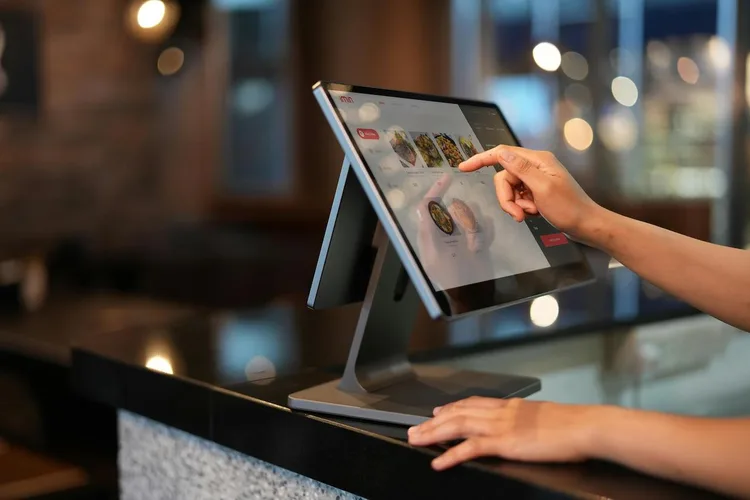
In restaurants, self-service kiosks let patrons peruse menus, personalise orders, and make payments immediately. This minimises order errors in addition to cutting down on ordering time.
Increased Revenue via Upselling
When compared to traditional counter service, kiosks’ ability to recommend upgrades and add-ons results in an average order value increase of 15% to 20%.
Easy Check-Ins and Checkouts at Hotels
Self-check-in kiosks are becoming more and more common in hotels, enabling visitors to choose their rooms, avoid lengthy lines, and even receive digital key cards.
Enhanced Customer Satisfaction
A recent study found that 65% of customers prefer self-service options when available, as they feel more in control of their experience.
Companies like McDonald’s, Marriott, and Hilton have already implemented self-service solutions, proving that these kiosks are not just a trend but a necessary evolution in hospitality.
Addressing the Challenges
Despite their many benefits, self-service kiosks come with challenges that organisations must address to ensure smooth adoption.
1. Accessibility & Inclusivity
Not all customers are comfortable with digital interfaces. Businesses must ensure that kiosks are user-friendly, offer multiple language options, and include accessibility features for disabled users.
2. Maintenance & Downtime
Like any technology, kiosks require regular updates and maintenance. Businesses must have a support system in place to address technical issues quickly.
3. Balancing Automation with Human Interaction
While self-service is convenient, some customers still prefer human assistance. The key is to maintain a balance between automation and personal service.
Self-Service Kiosks’ Future in Retail and Hospitality
So, are self-service kiosks the way of the future for the hotel and retail industries? Of course.
Contactless payments, speech recognition, and artificial intelligence will help kiosks become more responsive and intelligent. Future developments include:
- Voice assistants are driven by AI that lets users communicate with kiosks by speaking orders.
- For quicker and safer transactions, use biometric authentication.
- Mobile app integration for a fully omnichannel experience.
Self-service kiosks will become essential as companies prioritise
customer satisfaction, efficiency, and operational cost reductions.
Concluding remarks
The adoption of self-service kiosk machines in retail and hospitality is about more than just automation; it’s about boosting customer satisfaction and increasing operational effectiveness. From reducing wait times to growing sales and personalising, kiosks transform how we shop and dine.
As we move forward, businesses that embrace this technology will stay ahead of the curve, offering faster, more innovative, and more customer-friendly services. So, whether you’re a retailer looking to streamline checkout or a restaurant aiming to improve order accuracy, investing in self-service kiosks is a step towards a more efficient and profitable future.
