
Storytelling Marketing Examples: Brands That Master Narrative Connection

Ho Ho Happy Holidays. Let’s talk about something that makes brands unforgettable during this festive season and all year round: the art of storytelling in marketing. Whether you’re scrolling through social media, watching commercials, or browsing websites, the brands that stick with you are the ones telling compelling stories. Today, we’re diving deep into real…
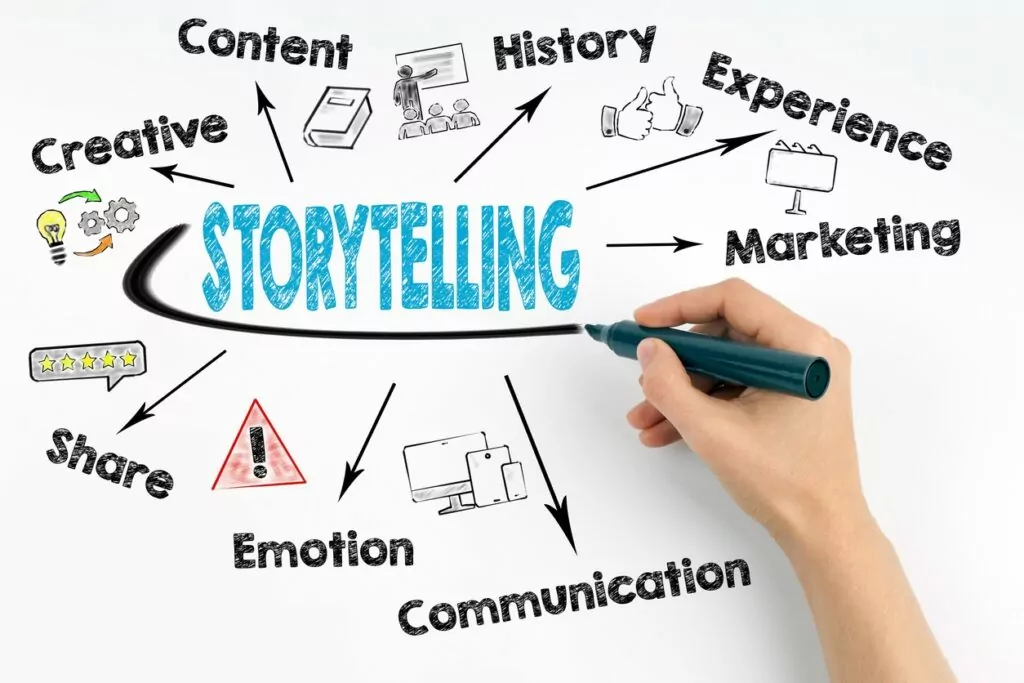
Ho Ho Happy Holidays. Let’s talk about something that makes brands unforgettable during this festive season and all year round: the art of storytelling in marketing. Whether you’re scrolling through social media, watching commercials, or browsing websites, the brands that stick with you are the ones telling compelling stories. Today, we’re diving deep into real storytelling marketing examples from companies big and small that have mastered this craft. Grab your favorite holiday beverage and let’s explore what makes these narratives so powerful.
The Power Behind Story-Driven Marketing
Stories aren’t just nice additions to your marketing. They’re the backbone of how humans connect with brands. When done right, storytelling transforms your message from forgettable to unforgettable. It turns browsers into buyers and customers into advocates.
Global Brands Mastering Storytelling Marketing
Coca-Cola: Building Tradition Through Narrative
Let’s take Coca-Cola for example. Their use of emotion-driven campaigns is absolutely fascinating. The brand doesn’t sell soda. They sell moments worth remembering. Their association with New Year celebrations, family gatherings, and holiday traditions creates a narrative that spans generations.
Consider how Coca-Cola positions itself during festive seasons. The red trucks rolling through snowy towns, families gathering around dinner tables with bottles in hand, friends reconnecting over shared drinks. Each visual tells a story of belonging and warmth. This consistent narrative approach has made Coca-Cola synonymous with celebration itself.
The genius lies in their restraint. They rarely focus on taste or ingredients. Instead, every campaign reinforces the same core story: Coca-Cola is present during life’s special moments. That’s storytelling marketing at its finest.
Nike: Showcasing Real Human Struggle
Nike has built an empire on authentic human stories. Their campaigns spotlight real struggles, genuine setbacks, and hard-won victories. The “Just Do It” philosophy isn’t just a slogan. It’s a narrative framework that celebrates anyone who refuses to quit.
Take their Colin Kaepernick campaign with the powerful line “Believe in something. Even if it means sacrificing everything.” This storytelling went beyond athletics into the realm of personal conviction. Nike took a stance, told a controversial story, and connected with audiences who valued courage over comfort.
Their “Dream Crazier” campaign narrated by Serena Williams offered another masterclass in storytelling marketing. The ad highlighted female athletes being dismissed as too emotional, too aggressive, or too ambitious. Each story built toward a simple message: what some call crazy, we call determination. Women watching saw their own experiences reflected back, creating instant connection.
Nike also features everyday athletes alongside professionals. A runner with prosthetic legs training for a marathon. A basketball player from an underprivileged neighborhood making it to college. These aren’t celebrity endorsements. They’re real stories that make viewers think “if they can do it, maybe I can too.” The product becomes secondary to the inspiration, yet sales follow naturally.
Alex Hormozi: Raw Authenticity in Business Storytelling
Alex Hormozi represents a newer breed of storytelling marketing, particularly effective in the entrepreneurship space. His approach strips away polish in favor of brutal honesty about business struggles.
Hormozi frequently shares stories of his early failures. He talks about his first business ventures that flopped, the financial stress he faced, and the mistakes that cost him money. But he doesn’t stop at the struggle. He walks his audience through exactly how he analyzed failures, adjusted strategy, and eventually built multiple eight-figure businesses.
What makes his storytelling marketing so effective? He uses specific numbers and concrete details. Instead of saying “I struggled,” he’ll say “I was fifty thousand dollars in debt and sleeping on a gym floor.” Instead of “I found success,” he shares “we scaled from three hundred thousand to four million in eighteen months by changing these three specific things.”
His content follows a consistent narrative structure: here’s where I was, here’s what went wrong, here’s what I learned, here’s how you can apply it. This framework makes complex business concepts accessible through story. His audience doesn’t just learn tactics. They experience the journey vicariously, which builds trust and credibility.
Hormozi also uses mini-stories within longer content. A quick anecdote about a consulting call, a brief story about an employee interaction, a short narrative about a client transformation. These micro-stories keep audiences engaged while reinforcing larger lessons about business growth.
Essential Tools for Storytelling Marketing Success
Creating compelling visual narratives requires the right tools. This is where platforms like Story-Boards.ai become invaluable for modern marketers.
Story-Boards.ai transforms the traditionally time-consuming process of creating visual storyboards into something quick and accessible. Whether you’re planning video content, social media campaigns, or brand narratives, having a clear visual roadmap makes your storytelling more coherent and impactful.
The platform is particularly useful for small businesses and marketers who understand the power of visual storytelling but lack massive production budgets. You can quickly sketch out campaign concepts, share them with teams or clients, and refine your narrative before committing resources to full production.
For anyone serious about storytelling marketing, tools that help you visualize and structure your narratives are must-haves. They bridge the gap between concept and execution, ensuring your final content actually tells the story you intended. If you want to explore more detailed examples, check out this storytelling marketing examples blog from Story-Boards.ai for additional insights.
Agriculture and Food Industry Narratives
Farms and food producers have discovered storytelling as a way to justify premium pricing and build loyal customer bases. Organic farms and grass-fed beef ranchers don’t just list their practices. They invite customers into their daily reality.
Many successful farms share sunrise-to-sunset documentation of their work. They introduce individual animals by name. They explain rotational grazing practices not through technical jargon but through stories of land regeneration they’ve witnessed over seasons.
One common narrative thread: the farmer’s personal journey to sustainable agriculture. Maybe they inherited conventional farmland and slowly transitioned to organic methods. Maybe they left corporate careers to pursue ethical food production. These origin stories give customers someone to root for, not just products to purchase.
Customer testimonials add another layer. A family whose health improved after switching to organic vegetables. A chef who can taste the difference in grass-fed beef. These stories validate the farm’s narrative while providing social proof.
The most sophisticated farms connect their stories to larger movements. They’re not just raising beef. They’re fighting climate change through regenerative agriculture. They’re not just growing vegetables. They’re preserving heirloom varieties and protecting biodiversity. This positioning transforms purchases into participation in something meaningful.
Upwork: Freelance Freedom Stories for Younger Audiences
Upwork targets Gen Z and younger millennials with narratives about work-life flexibility and creative independence. Their storytelling marketing focuses less on traditional success metrics and more on lifestyle design.
Their campaigns showcase real freelancers building unconventional careers. A software developer who codes from different countries each month. A designer who turned down corporate offers to build her own client roster. A marketer who quadrupled his income while working fewer hours.
What resonates with younger audiences is the emphasis on autonomy. These aren’t rags-to-riches stories. They’re cage-to-freedom narratives. The protagonists aren’t chasing wealth for its own sake. They’re pursuing control over their time, creative expression, and work environment.
Upwork presents these stories in formats Gen Z prefers: short videos, carousel posts, quick testimonials. The production quality feels authentic rather than overly polished. Real people in real spaces talking about real results. This approach builds trust with an audience skeptical of traditional advertising.
The platform also highlights diverse paths to freelancing success. Not everyone becomes a six-figure earner, and Upwork doesn’t pretend they will. Instead, they show various definitions of success: the parent who freelances while raising kids, the student earning money between classes, the professional transitioning careers. Multiple stories mean multiple entry points for potential users.
The most sophisticated farms connect their stories to larger movements. They’re not just raising beef. They’re fighting climate change through regenerative agriculture. They’re not just growing vegetables. They’re preserving heirloom varieties and protecting biodiversity. This positioning transforms purchases into participation in something meaningful.
What Makes These Examples Work
Analyzing successful storytelling marketing reveals consistent patterns:
Specificity Beats Generality: Alex Hormozi’s fifty-thousand-dollar debt resonates more than vague “financial struggles.” Farms introducing animals by name feel more real than generic sustainability claims.
Conflict Creates Interest: Every strong narrative includes obstacles. Nike shows athletes facing dismissal and discrimination. Hormozi shares business failures. Organic farmers discuss challenges of sustainable practices. Struggle makes eventual success meaningful.
Consistency Builds Recognition: Coca-Cola has reinforced the same core narrative for decades. Nike always centers on perseverance. This repetition creates strong brand associations.
Authenticity Trumps Polish: Gen Z responds to Upwork’s real freelancer stories. Hormozi’s unfiltered business talk builds trust. Audiences increasingly reject overly produced content in favor of genuine experiences.
Values Drive Connection: The best storytelling marketing reveals what brands stand for. Coca-Cola values togetherness. Nike values determination. Sustainable farms value environmental stewardship. When your values align with customer values, stories create powerful bonds.
Relatability Expands Reach: People engage with stories where they see themselves. Small business owners relate to entrepreneurial struggle narratives. Health-conscious consumers relate to farmers prioritizing quality. Young professionals relate to freelancers building unconventional careers.
Implementing Storytelling in Your Marketing
Ready to apply these lessons? Start with self-examination:
What’s your founding story? Every business starts somewhere. What problem did you set out to solve? What motivated you to begin?
Who benefits from your work? Understanding your customers deeply helps you tell stories that resonate with their experiences and aspirations.
What obstacles have you overcome? Vulnerability creates connection. Sharing challenges you’ve faced makes success stories more credible and inspiring.
What values guide your decisions? Your principles differentiate you from competitors and attract like-minded customers.
Once you’ve answered these questions, you have raw material for compelling narratives. The next step is choosing how to share them. Video, written content, social media posts, email campaigns—different formats suit different stories and audiences.
Remember that storytelling marketing isn’t one big campaign. It’s consistent narrative threads woven through all your communications. Every piece of content should reinforce your core stories and values.
We Hope You Enjoyed These Examples
From multinational corporations like Coca-Cola and Nike to modern entrepreneurs like Alex Hormozi, effective storytelling marketing transcends industry and scale. The common thread is authentic narrative that creates emotional resonance with audiences.
You don’t need celebrity endorsers or massive budgets. You need genuine stories told with clarity and consistency. Share your real journey, acknowledge your challenges, celebrate your values, and invite customers to see themselves in your narrative.
Whether you’re promoting freelance services, selling organic produce, building a personal brand, or marketing any other offering, storytelling helps you stand out in crowded markets. Your unique perspective and experiences become competitive advantages that can’t be copied.
Start today. Identify one story worth telling about your business, your customers, or your industry. Share it authentically. Then watch as narrative connection transforms how people perceive and engage with your brand. That’s the real magic of storytelling marketing.
