
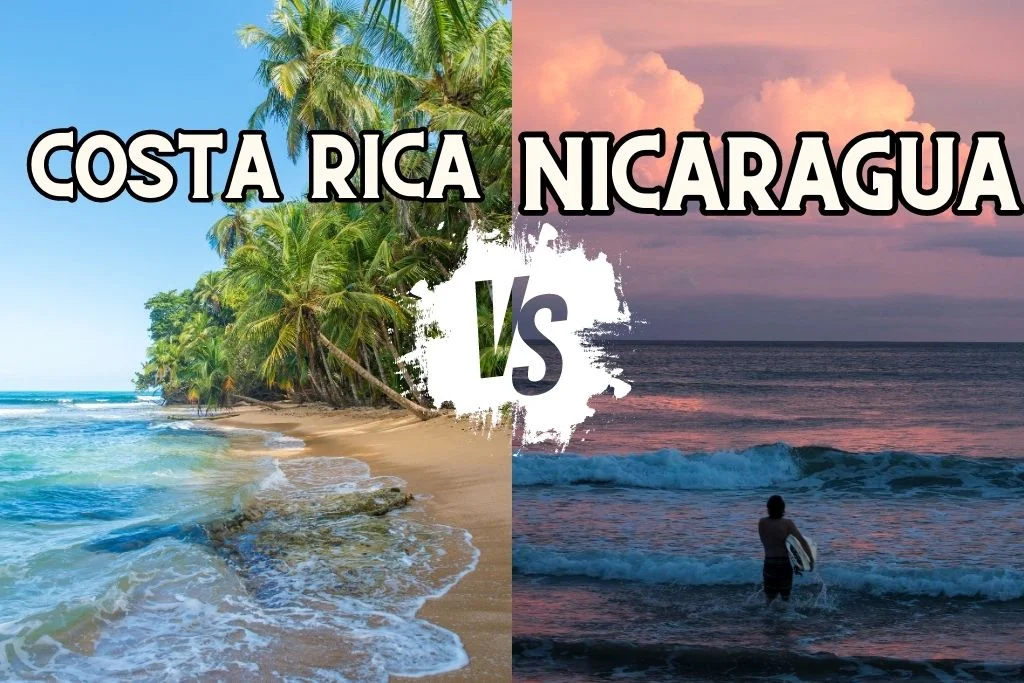
Costa Rica vs Nicaragua – 7 Reasons to Pick Your Perfect

When it comes to Central American travel, few debates are as passionate as Costa Rica vs Nicaragua. These two neighboring countries share a border, a tropical climate, and breathtaking natural beauty — yet they offer wildly different travel experiences, price points, and vibes. Costa Rica is renowned as the crown jewel of eco-tourism in Central…
When it comes to Central American travel, few debates are as passionate as Costa Rica vs Nicaragua. These two neighboring countries share a border, a tropical climate, and breathtaking natural beauty — yet they offer wildly different travel experiences, price points, and vibes.
Costa Rica is renowned as the crown jewel of eco-tourism in Central America, drawing millions of visitors each year with its world-class national parks, zip-lining adventures, and wildlife-rich rainforests. Nicaragua, on the other hand, remains one of the most underrated travel destinations in the Americas — a raw, authentic, and budget-friendly paradise that rewards adventurous travelers willing to look beyond the mainstream.
Whether you’re a backpacker on a shoestring budget, a luxury traveler seeking pristine nature, a surfer chasing perfect waves, or a culture enthusiast eager to explore colonial history — this comprehensive guide will help you decide which country is right for you.
Let’s dive deep into every aspect of the Costa Rica vs Nicaragua comparison so you can make an informed decision for your next adventure.
Jump to any section
Geographic Overview: Where Are These Countries Located?
Both Costa Rica and Nicaragua are located in Central America, bordered by the Caribbean Sea to the east and the Pacific Ocean to the west. Nicaragua is the larger of the two countries — in fact, it is the largest country in Central America by land area — while Costa Rica is more compact but incredibly diverse.
Nicaragua borders Honduras to the north and Costa Rica to the south. Its geography includes two massive lakes — Lake Nicaragua (Lago de Nicaragua) and Lake Managua — active volcanoes like Concepción and Masaya, vast Pacific beaches, and lush Caribbean coastlines.
Costa Rica sits between Nicaragua and Panama. Despite its small size, Costa Rica contains an astonishing 5% of the world’s biodiversity, packed into its cloud forests, tropical rainforests, mangroves, and volcanic highlands. The country is divided into distinct regions including the Central Valley, Nicoya Peninsula, Caribbean Coast, and Southern Zone.
Both countries sit within the Ring of Fire, making them home to active volcanoes, geothermal hot springs, and dramatic landscapes shaped by tectonic forces.
Costa Rica vs Nicaragua: Cost of Travel
One of the biggest deciding factors for most travelers is budget. And here, Nicaragua wins hands down.
Cost of Travel in Nicaragua
Nicaragua is consistently ranked among the cheapest countries to visit in Latin America. Budget travelers can easily get by on $25–$40 USD per day, covering:
- Accommodation: Hostel dorms from $8–$15/night; budget guesthouses from $20–$35/night
- Food: A full meal at a local comedor (small restaurant) costs $2–$5
- Transport: Chicken buses (local buses) between cities cost $1–$3
- Activities: Many natural attractions like Masaya Volcano and Ometepe Island are very affordable
Nicaragua is ideal for long-term backpackers, digital nomads, and budget travelers who want to stretch their dollars far.
Cost of Travel in Costa Rica
Costa Rica is significantly more expensive — one of the priciest destinations in Central America. Mid-range travelers typically spend $80–$150 USD per day, and costs can escalate quickly with activities, tours, and resort-style accommodation.
- Accommodation: Budget hostels start at $15–$25/night; mid-range hotels run $60–$120/night
- Food: Restaurant meals range from $8–$20; tourist-area prices are high
- Transport: Shuttle buses and taxis are expensive; rental cars are popular but pricey
- Activities: Zip-lining, white-water rafting, and national park tours often cost $50–$100+ per activity
Verdict: Nicaragua is the clear winner for budget travelers. Costa Rica suits those willing to pay for premium eco-tourism infrastructure.
Safety Comparison: Costa Rica vs Nicaragua
Safety is a critical concern for any traveler, and both countries have reputations worth examining carefully.
Is Costa Rica Safe for Travelers?
Costa Rica is widely considered one of the safest countries in Central America. It has no standing army (abolished in 1948), a stable democracy, and a well-developed tourism infrastructure. That said, petty theft, pickpocketing, and car break-ins are common in tourist areas like San José, Manuel Antonio, and La Fortuna.
Travelers are advised to:
- Avoid leaving valuables in rental cars
- Be cautious in San José’s downtown at night
- Use ATMs during daylight hours in safe locations
Is Nicaragua Safe for Travelers?
Nicaragua’s safety situation has been more complex. Following political unrest in 2018, tourism dropped sharply. However, as of 2024–2025, many regions — especially Granada, León, San Juan del Sur, and Ometepe Island — are considered reasonably safe for tourists.
Nicaragua has relatively low rates of violent crime compared to Honduras or El Salvador, but travelers should stay informed about political developments and avoid protests or government-sensitive areas.
Verdict: Costa Rica edges ahead on overall perceived safety and political stability, though Nicaragua is manageable with proper research and precautions.
Nature and Wildlife: Biodiversity Showdown
Both countries are ecological powerhouses, but they differ in the type and accessibility of nature experiences.
Costa Rica’s Natural Wonders
Costa Rica has built its entire tourism identity around nature and eco-tourism. It is home to:
- Monteverde Cloud Forest Reserve – One of the most biodiverse cloud forests on Earth
- Corcovado National Park – Called “the most biologically intense place on Earth” by National Geographic
- Arenal Volcano National Park – An iconic active volcano surrounded by rainforest and hot springs
- Tortuguero National Park – A critical nesting site for green sea turtles
- Manuel Antonio National Park – Stunning beach-jungle combination with sloths, monkeys, and toucans
Wildlife highlights include jaguars, tapirs, resplendent quetzals, scarlet macaws, sea turtles, sloths, and over 900 species of birds.
Costa Rica’s parks are well-managed and easily accessible, with clear trails, ranger stations, and guided tour options. However, the park entry fees and tour costs add up quickly.
Nicaragua’s Natural Wonders
Nicaragua’s natural attractions are equally impressive but far less crowded and commercialized:
- Ometepe Island – A magical island in Lake Nicaragua formed by two volcanoes (Concepción and Maderas), perfect for hiking, kayaking, and wildlife spotting
- Masaya Volcano National Park – One of the few places in the world where you can look directly into an active lava lake
- Somoto Canyon – A stunning narrow canyon perfect for canyoning and swimming
- Corn Islands (Isla del Maíz) – Pristine Caribbean islands with world-class snorkeling and diving
- Indio Maíz Biological Reserve – One of the largest and most intact rainforests in Central America, with incredible biodiversity
Nicaragua’s nature is raw, untouched, and uncrowded. For travelers who want off-the-beaten-path wilderness experiences, Nicaragua is extraordinary.
Verdict: Costa Rica wins for wildlife infrastructure and accessibility; Nicaragua wins for raw, undiscovered nature and the thrill of exploration.
Beaches: Pacific and Caribbean Coastlines
Both countries boast exceptional beaches — on both the Pacific and Caribbean coasts.
Costa Rica’s Best Beaches
Costa Rica’s beach scene is legendary. Top beaches include:
- Santa Teresa & Mal País – World-class surf and bohemian beach culture on the Nicoya Peninsula
- Tamarindo – A lively beach town with surf schools, restaurants, and nightlife
- Manuel Antonio – Beautiful beaches within a national park setting
- Puerto Viejo de Talamanca – Laid-back Caribbean vibe with Afro-Caribbean culture and calm turquoise waters
- Playa Conchal – A unique beach made of crushed shells, ideal for snorkeling
Costa Rica’s beaches are beautiful but often crowded during peak season (December–April), and accommodation nearby can be very expensive.
Nicaragua’s Best Beaches
Nicaragua’s beaches are less developed and less crowded, offering a more authentic experience:
- San Juan del Sur – The most popular beach town in Nicaragua, known for surf camps, yoga retreats, and a lively social scene
- Playa Maderas & Playa Hermosa – World-class surf breaks near San Juan del Sur
- Las Peñitas – A quiet, windy Pacific beach near León popular with surfers
- Corn Islands (Big Corn & Little Corn) – Remote Caribbean paradise with crystal-clear water, no cars on Little Corn, and incredible reef snorkeling
Verdict: Tie — both countries offer stunning beaches. Costa Rica suits those wanting developed beach resorts and reliable infrastructure; Nicaragua suits those after quiet, uncrowded, and authentic beach escapes.
Culture and History: Colonial Heritage vs Modern Eco-State
Nicaragua’s Rich Colonial History
Nicaragua is a treasure trove of colonial architecture and Latin American history. The cities of Granada and León are two of the oldest continuously inhabited cities in mainland Americas.
- Granada — Founded in 1524, Granada is a beautifully preserved colonial city on the shores of Lake Nicaragua. Its colorful streets, horse-drawn carriages, and historic churches make it one of the most photogenic cities in Central America.
- León — Nicaragua’s intellectual and revolutionary capital, home to the largest cathedral in Central America (León Cathedral, a UNESCO World Heritage Site), vibrant murals, and a strong Sandinista political culture.
Nicaragua also has a fascinating revolutionary history, with the Sandinista revolution of 1979 still deeply embedded in the national identity and street art.
Costa Rica’s Unique Cultural Identity
Costa Rica doesn’t have the grand colonial cities of Nicaragua, but it has a unique cultural identity rooted in “Pura Vida” — a philosophy of simple, joyful living. Costa Ricans (called Ticos) are known for being friendly, relaxed, and environmentally conscious.
Key cultural highlights include:
- The Nicoya Peninsula — one of only five Blue Zones in the world, where people live exceptionally long and healthy lives
- A thriving coffee culture — Costa Rican coffee is world-renowned, and coffee farm tours in the Central Valley are popular
- Oxcart painting (Carreta) — a traditional folk art form recognized by UNESCO
Verdict: Nicaragua wins for colonial history, architecture, and cultural depth. Costa Rica wins for its unique “Pura Vida” lifestyle and coffee culture.
Food and Cuisine: Flavors of Central America
Nicaraguan Cuisine
Nicaraguan food is hearty, affordable, and deeply traditional. Must-try dishes include:
- Gallo Pinto – Rice and beans fried together, eaten at nearly every meal
- Vigorón – Yuca with chicharrón (pork rinds) and cabbage salad, served on a banana leaf
- Nacatamal – A large tamale stuffed with pork, rice, and vegetables
- Quesillo – Soft cheese wrapped in a tortilla with cream and pickled onions
- Rondón – A Caribbean coconut milk stew with seafood or meat
Food in Nicaragua is incredibly cheap and filling, with local meals often costing less than $3.
Costa Rican Cuisine
Costa Rican food is similarly based around rice and beans, but with some regional variety:
- Gallo Pinto – Also the national breakfast dish in Costa Rica
- Casado – The classic lunch plate with rice, beans, salad, plantains, and a protein
- Ceviche – Fresh fish marinated in lime juice, popular on both coasts
- Olla de Carne – A traditional beef and vegetable stew
- Chifrijo – A bar snack of rice, beans, chicharrón, and pico de gallo
Costa Rica also has a growing international food scene, especially in San José and tourist towns.
Verdict: Both cuisines are delicious and rooted in Central American traditions. Nicaragua wins on price and authenticity; Costa Rica wins on variety and international dining options.
Infrastructure and Getting Around
Costa Rica’s Travel Infrastructure
Costa Rica has excellent tourism infrastructure — well-maintained roads (mostly), reliable shuttle services, a wide range of accommodation types, and a good domestic flight network. Getting around is easy but expensive. Shuttle buses between popular destinations like San José, La Fortuna, Monteverde, and Manuel Antonio are comfortable and efficient.
Renting a car (ideally a 4WD) gives the most flexibility but comes at a high cost, especially with mandatory full insurance.
Nicaragua’s Travel Infrastructure
Nicaragua’s infrastructure is more basic but functional. The famous “chicken buses” (repurposed US school buses) connect all major towns cheaply. Minibuses and collectivos fill the gaps. Roads in rural areas can be rough, especially in rainy season (May–November).
Nicaragua doesn’t have the same level of tourist shuttle networks as Costa Rica, which makes it better suited for independent travelers who enjoy a bit of adventure in getting around.
Verdict: Costa Rica wins for ease of travel and infrastructure quality. Nicaragua is better for adventurous independent travelers who don’t mind rougher conditions.
Best Time to Visit: Seasons and Climate
Both countries share a tropical climate with a dry season (roughly November/December–April) and a wet/rainy season (May–November). The dry season is generally the best time to visit both countries for outdoor activities and beach travel.
- Costa Rica’s dry season is peak tourist season — expect higher prices and more crowds, especially December–April
- Nicaragua’s dry season (November–April) is the best time to visit for beach travel, hiking, and cultural exploration
- Shoulder season in both countries (May, June, November) can offer good weather and fewer crowds
Verdict: Both countries are best visited in the dry season (December–April). Nicaragua is more pleasant to visit year-round due to lower tourist numbers.
Costa Rica vs Nicaragua: Which Should You Choose?
Here’s a quick summary to help you decide:
Factor Costa Rica Nicaragua Budget Expensive Very affordable Safety Very safe Generally safe Wildlife World-class Underrated & raw Beaches Developed & beautiful Quiet & pristine Culture/History Unique eco-culture Rich colonial heritage Infrastructure Excellent Basic but functional Crowds High in peak season Low year-round Food Good variety Cheap & authentic
Choose Costa Rica if:
- You want top-tier eco-tourism infrastructure
- You’re traveling with family or less experienced travelers
- Wildlife and national parks are your priority
- You have a higher travel budget
Choose Nicaragua if:
- You’re a budget traveler or backpacker
- You want off-the-beaten-path adventure
- Colonial history and authentic culture excite you
- You enjoy exploring destinations before they become mainstream
Conclusion: Two Countries, Endless Possibilities
The Costa Rica vs Nicaragua debate doesn’t have a single right answer — it depends entirely on what kind of traveler you are and what you’re looking for in a Central American adventure.
Costa Rica dazzles with its biodiversity, eco-tourism excellence, and ease of travel. Nicaragua seduces with its affordability, authentic culture, colonial grandeur, and raw natural beauty. Both countries are incredible destinations worthy of a place on any serious traveler’s bucket list.
For more insightful articles please visit mediatelot
